4 Signs You’ve Found Your Next Great Leader
One of the most important responsibilities of a leader is often overlooked: developing the next generation of leaders.
It is easy to get caught up in today's goals, deadlines, challenges, and performance metrics. Leaders are often so focused on getting the work done that they forget one of their most important jobs is to prepare someone else to eventually lead the work.
Chipotle is taking an interesting approach to identifying future leaders.
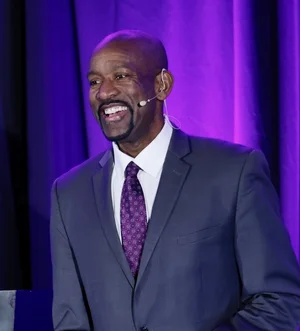
Jason Kidd, Chief Operating Officer of Chipotle, travels around the country visiting restaurants and interacting with employees. But these visits are about more than checking operations or reviewing performance. Kidd is also looking for people who demonstrate the behaviors and mindset of future leaders.
According to Kidd, he looks for four specific qualities: people who take care of people, own the outcomes, anticipate needs, and identify problems while also thinking about potential solutions.
Those four qualities provide a powerful blueprint for any leader who wants to develop talent within their organization.
1. Take Care of People
The foundation of leadership is people. Future leaders understand that success is not simply about hitting a number or completing a task; it is also about how you treat the people who help make those results possible.
Pay attention to the employee who checks on a teammate who is struggling, offers help without being asked, or makes an effort to create a positive experience for others. Those behaviors may seem small, but they demonstrate something important: leadership isn't always about having authority. Sometimes it is simply about caring enough to make a difference.
2. Own the Outcomes
Future leaders don't spend their time looking for someone to blame when something goes wrong. Instead, they demonstrate accountability by taking responsibility for the outcome and focusing on what they can do differently.
A leader-in-the-making might say, “Here's what happened, here's what I could have done differently, and here's what I recommend we do next.”
That mindset matters because organizations don't need more people who can explain why something went wrong. They need people who are willing to step forward and help make it right.
3. Anticipate Needs
Kidd also looks for people who can see beyond the immediate situation. Instead of constantly reacting to problems, future leaders learn to anticipate what their customers, coworkers, and teams will need before the issue becomes a crisis.
That requires awareness. It means paying attention to patterns, asking questions, and thinking ahead.
Anyone can respond when the alarm goes off. Future leaders try to prevent the alarm from going off in the first place.
4. Identify Problems—and Potential Solutions
There is an important difference between identifying a problem and demonstrating leadership.
Anyone can walk into a leader's office and say, “We have a problem.” A future leader takes the conversation one step further by explaining what they believe is causing the problem and offering potential solutions.
They don't need to have all the answers. What matters is that they are willing to think critically, take initiative, and contribute to the solution.
Start Looking for Your Next Leader
Developing future leaders should not begin when a leadership position becomes available. By then, you may already be too late.
Great leaders are constantly looking around their organizations for people who demonstrate leadership potential. They notice who takes care of others, who accepts responsibility, who thinks ahead, and who brings solutions instead of simply bringing problems.
Your next great leader may already be sitting on your team. They may not have the title, the experience, or even the confidence to recognize their own potential.
That's where your leadership matters most.
Your job isn't simply to lead the people on your team today.
Your job is to develop the leaders your organization will need tomorrow.